
Every functional mechanic tool set starts with three drive sizes, 1/4", 3/8", and 1/2", built around metric-first socket coverage. Beyond drives, you need ratchets, combination wrenches, a torque wrench, a breaker bar, pliers, screwdrivers, and a real storage system. Safety gear, jack stands, and eye protection belong on that list too. They’re not optional extras bolted on at the end.
TL;DR:
- Prioritize a 3/8-inch drive socket set with good coverage of metric sizes, a quality ratchet, and a torque wrench for most daily repairs.
- Use impact-rated sockets with air or electric tools, and buy deep sockets in the most common sizes first to match repair needs.
- Invest in rated jack stands and OSHA-compliant safety gear such as eye protection, gloves, hearing protection, and steel-toe footwear before heavy-duty work.
- Organize tools with dedicated storage that groups similar items together, such as foam trays or drawer systems, to speed up workflow and prevent tool loss.
- Large kit piece counts are often padded with unnecessary adapters and bits; focus on core drive sizes and socket coverage tailored to your repair habits.
Table of Contents
- Mechanic Tool Set Essentials: The Checklist That Actually Matters
- How Should You Organize a Mechanic Tool Set?
- What Safety Gear Belongs in a Mechanic’s Kit?
- Building Your Kit: What to Buy First and What Comes Next
- What Would a Working Tech Buy First?
- Ready-Made Kits That Match This Checklist
- Sources
- FAQ
Mechanic Tool Set Essentials: The Checklist That Actually Matters
Piece counts sell tool kits, but they don’t fix cars. A 300-piece set padded with tiny bit adapters and duplicate drivers can leave you short on the one deep socket you need at 9 p.m. on a Friday. What matters is coverage across the right drive sizes, paired with tools built to hold torque without stripping.
Start with drive size. A 3/8" drive works as the everyday foundation for most fastener sizes on modern vehicles, handling everything from suspension bolts to exhaust hardware. Add 1/4" drive for small fasteners in tight spaces, interior trim, dash work, small engine covers, where a bulky 3/8" ratchet won’t fit. Reserve 1/2" drive for high-torque jobs: axle nuts, lug nuts, suspension components that fight back. Cover both metric and SAE, but weight your set toward metric since nearly every vehicle built in the last two decades uses metric fasteners almost exclusively.
Your essential automotive tools list should include:
- Ratchets with fine tooth count (72 tooth or finer) for working in cramped engine bays where swing arc is limited
- Socket sets in both deep and shallow profiles, 6-point preferred over 12-point for a stronger grip on stubborn fasteners
- Extensions and a universal joint to reach fasteners at odd angles without stripping your knuckles
- Adapters to move between drive sizes without buying triplicate socket sets
- Combination wrenches covering common metric sizes, plus ratcheting wrenches for speed in tight clearances
- A torque wrench rated for the fastener range you work on most
That torque wrench earns its own explanation. A ratchet tightens a bolt; it doesn’t tell you how tight. When a manufacturer specifies a torque value, and most critical fasteners, head bolts, suspension hardware, wheel lugs, do, a torque wrench is the only tool that confirms you hit that number. ASME B107.300 governs the performance and safety requirements for manually operated torque instruments, which is why a cheap, uncalibrated torque wrench is barely better than guessing. Torque wrenches and breaker bars solve different problems: a breaker bar delivers leverage to break loose a stubborn or rusted fastener, while a torque wrench handles controlled final tightening. Neither substitutes for the other.
If you’re running an impact wrench, check your sockets. Impact-rated sockets are built for the shock loads powered tools generate, and regular chrome sockets aren’t designed for that stress and can crack or shatter under impact use. Chrome sockets are fine for hand tools; they’re the wrong choice the moment air or electric power enters the picture.
Pro Tip: Buy your deep sockets in the sizes you actually use most first: 10mm, 13mm, 15mm, 17mm cover the majority of automotive fasteners. Fill in the rest of the range later once you know your real repair patterns.
Once your core is solid, specialty items extend your reach: spark-plug sockets with rubber inserts, screw and bolt extractors for snapped fasteners, an OBD2 scanner for diagnostic codes, and a compression tester for engine troubleshooting. Round out the essential mechanic tools list with a full set of screwdrivers (flathead and Phillips, multiple sizes), pliers (needle-nose, slip-joint, locking), and hex and Torx bits, since modern vehicles use them constantly on trim, electronics, and safety systems.
How Should You Organize a Mechanic Tool Set?
A tool you can’t find in ten seconds might as well not be in the kit. Every tool needs a designated location so a glance at an open case tells you instantly what’s missing, whether it walked off with a coworker or got left under a hood three jobs ago.
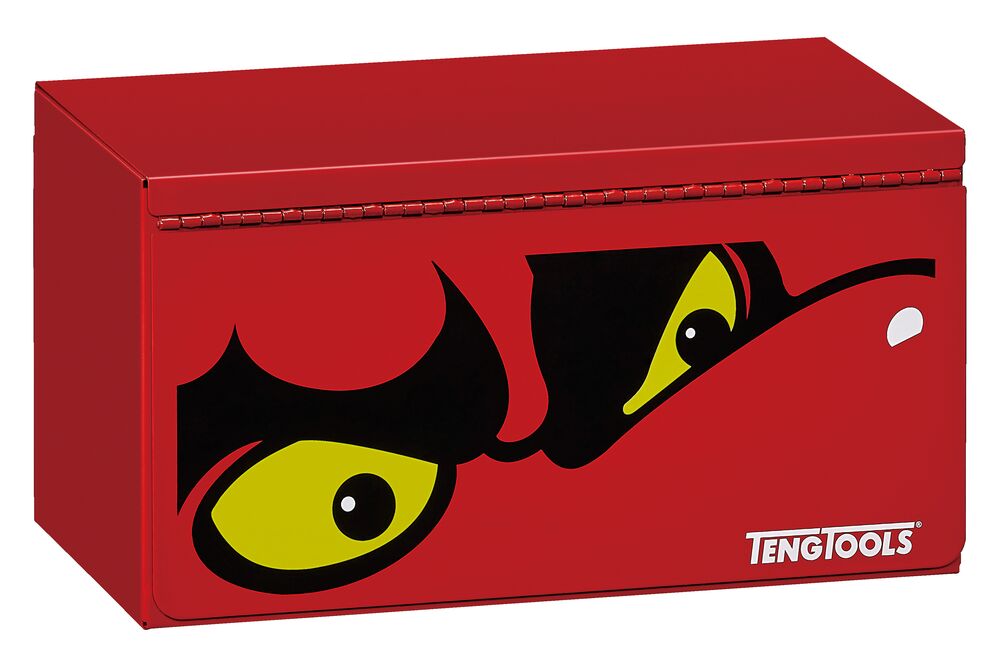
Good layouts group tool families together: sockets by drive size and running order, wrenches in ascending size, pliers and cutters in their own row. That arrangement cuts search time and keeps your hands moving instead of digging.
Three storage approaches cover most situations:
- Foam-tray modules that lock together, ideal when you need cross-shop mobility and instant visual inventory
- Molded hard cases for tools that travel to job sites or customer vehicles
- Drawer layouts in a rolling cabinet for a fixed shop station with high tool turnover
Choosing storage with designated locations and clear visual inventory speeds up daily workflow far more than most techs expect. Some tool storage systems use click-together foam trays to give every socket, wrench, and driver a cutout home, so a missing tool shows up as an empty slot rather than a mystery. The approach shows up in practice in guidance on organizing mechanic tools for faster work and in mobile mechanic tool storage built for techs who need that same order to survive a truck bed.
What Safety Gear Belongs in a Mechanic’s Kit?
A floor jack lifts a vehicle; it should never hold one up while you work underneath it. OSHA requires that once a load is raised, it must be cribbed, blocked, or otherwise secured, which means jack stands rated for your vehicle’s weight are non-negotiable, not optional accessories.
Build your PPE around these categories:
- Eye protection meeting ANSI Z87.1 for grinding, cutting, and fluid work
- Gloves with nitrile for fluid handling and heavier leather or mechanic’s gloves for sharp edges
- Hearing protection for pneumatic tools and grinding
- Steel-toe footwear when working around lifted vehicles or dropped components
Inspect jacks and stands regularly for cracks, bent frames, or worn threads, and retire anything with a rated capacity you can no longer verify. Recommended home-mechanic lists pair torque wrenches, floor jacks, and jack stands alongside standard hand tools precisely because safety gear and hand tools solve related problems, not separate ones.
Pro Tip: A ratchet is not a substitute for controlled tightening. If a fastener has a spec, use the torque wrench. Guessing at “tight enough” is how head gaskets and wheel studs fail.
Building Your Kit: What to Buy First and What Comes Next
Start with a high-quality 3/8" socket core covering metric sizes, paired with one reliable ratchet. That combination handles the majority of everyday repairs before you spend a dollar on anything else.
When evaluating a set, check four things: socket coverage across the sizes you’ll actually use, ratchet tooth count for tight clearances, whether deep sockets are included alongside shallow ones, and whether impact-rated sockets come with the kit if you run powered tools. Large advertised piece counts often mislead buyers more than they help, since a set built around repair frequency beats one padded with parts you’ll never touch.
Add capability as your work demands it:
- Add a torque wrench and jack stands as soon as you’re doing anything with a torque spec
- Add 1/4" drive when small-fastener work (interior, electronics) becomes routine
- Add 1/2" drive and a breaker bar once suspension or driveline work enters the mix
- Add ratcheting wrenches and specialty extractors once you’re doing repeat jobs, not one-off fixes
Spend real money on ratchets, your torque wrench, and storage; those are the tools you’ll touch every day and the ones cheap versions fail fastest on. Economize on basic pliers and utility knives, where a mid-range option performs nearly as well as a premium one. For kit and case comparisons, the choosing a mechanic tool kit with case guide breaks down what to look for beyond the sticker piece count.
What Would a Working Tech Buy First?
Buy the 3/8" socket core, one quality ratchet, a torque wrench, and a set of rated jack stands before anything else. Plan your storage layout before you buy, not after; retrofitting organization onto a pile of loose tools wastes more time than it saves. Expand from there as real jobs expose real gaps, and consider studying an ASE task list if you want your tool coverage to track professional certification standards.
— David
Ready-Made Kits That Match This Checklist
Building this list piece by piece works, but it takes time most techs don’t have between jobs. Some manufacturers sell kits engineered around the drive sizes and coverage this checklist calls for, with modular tray systems built in instead of bolted on later.
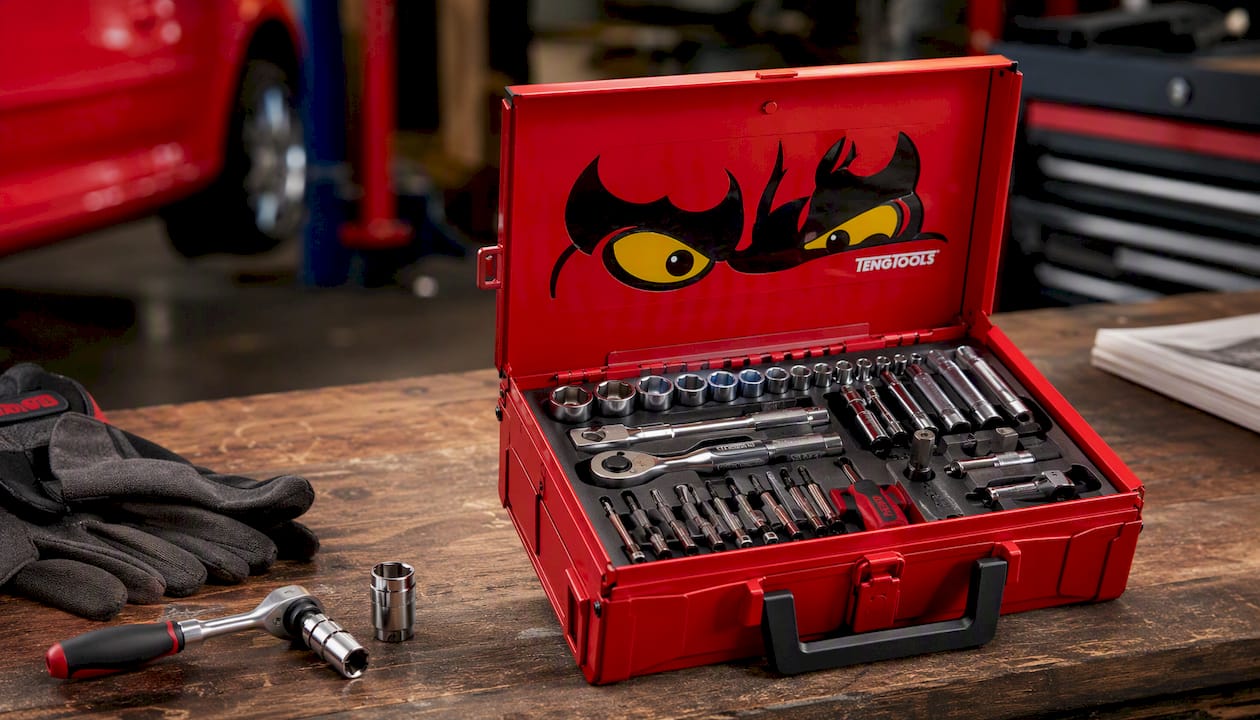
Three options map directly to what’s covered above. The Teng Tools MECCA PRO 3/8" Socket & Tool Set, 79 pieces, gives you the metric-first 3/8" core recommended as a starting point. The Teng Tools Mobile Tool Kit, 36 pieces, covers techs who need a compact, ready-to-carry set for road calls. For full shop readiness, the Teng Tools 1033 Piece Tool Kit delivers comprehensive drive and specialty coverage in one purchase. Many of these tools ship to ISO and DIN standards and include warranties; some offer quick shipping from U.S. warehouses, so a missing size doesn’t stall a job. Browse the full product lineup to match a kit to your actual repair mix.
Sources
- ASME B107.300 - Hand torque tools and torque testers
- OSHA 1910.244 - Other portable tools and equipment
- Haynes — Tools every home mechanic should own
- ASE Automobile Study Guide
FAQ
What Are the Must-Have Mechanic Tools for a Beginner?
Start with a 3/8" ratchet and metric socket set, combination wrenches, screwdrivers, pliers, and a torque wrench. Add a floor jack with rated jack stands and basic PPE before doing any under-vehicle work.
Do I Need a Torque Wrench If I Have a Good Ratchet?
Yes. A ratchet tightens fasteners but gives no feedback on tightness, while torque wrenches meeting ASME B107.300 confirm you’ve hit the manufacturer’s specified value. This matters most on head bolts, suspension hardware, and wheel lugs.
How Much Should Essential Mechanic Tools Cost?
Costs vary widely by brand and coverage, so budget based on core coverage rather than piece count. Teng Tools USA’s Mecca Pro Series starts from $189 one time, and Portable Storage options start from $89 one time; other product lines list current pricing on the site.
Is a Bigger Piece-Count Kit Always Better?
No. Large piece counts can mislead buyers when they’re padded with adapters and bits that don’t add real fastener coverage. A smaller kit built around drive size and socket coverage usually outperforms an inflated set.
How Do I Store My Mechanic Tools Efficiently?
Give every tool a designated spot using foam trays, a molded case, or drawer layouts, so a glance shows what’s missing. Teng Tools USA’s Get Organized™ tray system builds this in with click-together modules, as detailed in guidance on organizing mechanic tools for faster work.